Portfolio of Adam Badke
Saber Engine (2022 – ongoing)
Saber Engine is an API-agnostic real-time rendering engine framework that I actively maintain as a personal project.
It offers a modern, flexible, and high-performance multi-threaded architecture, designed for data-driven development and experimentation. This framework serves as a platform for me to deepen my understanding of real-time rendering, computer graphics, and engine architecture.
GitHub Repository: https://github.com/b1skit/SaberEngine
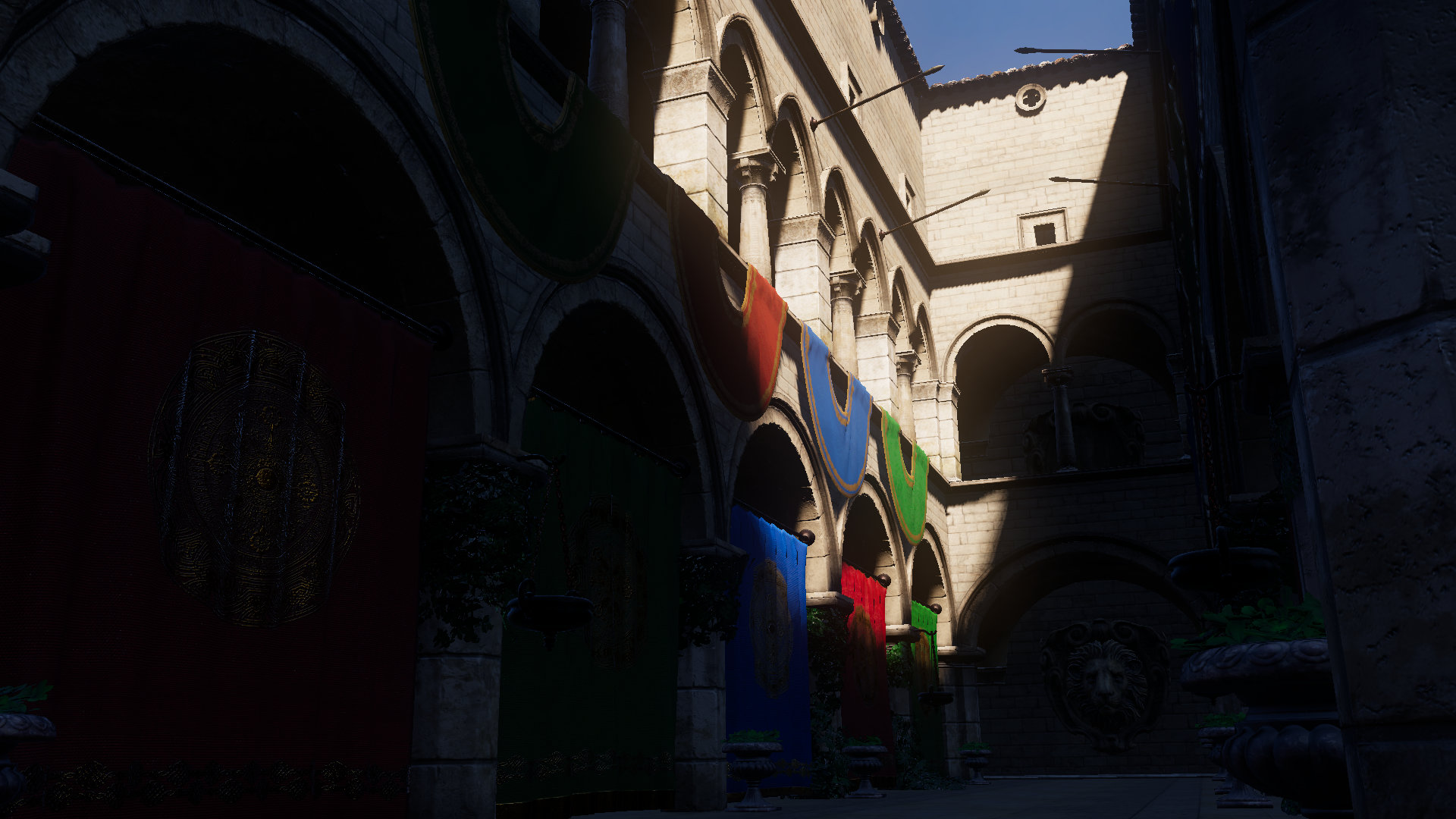
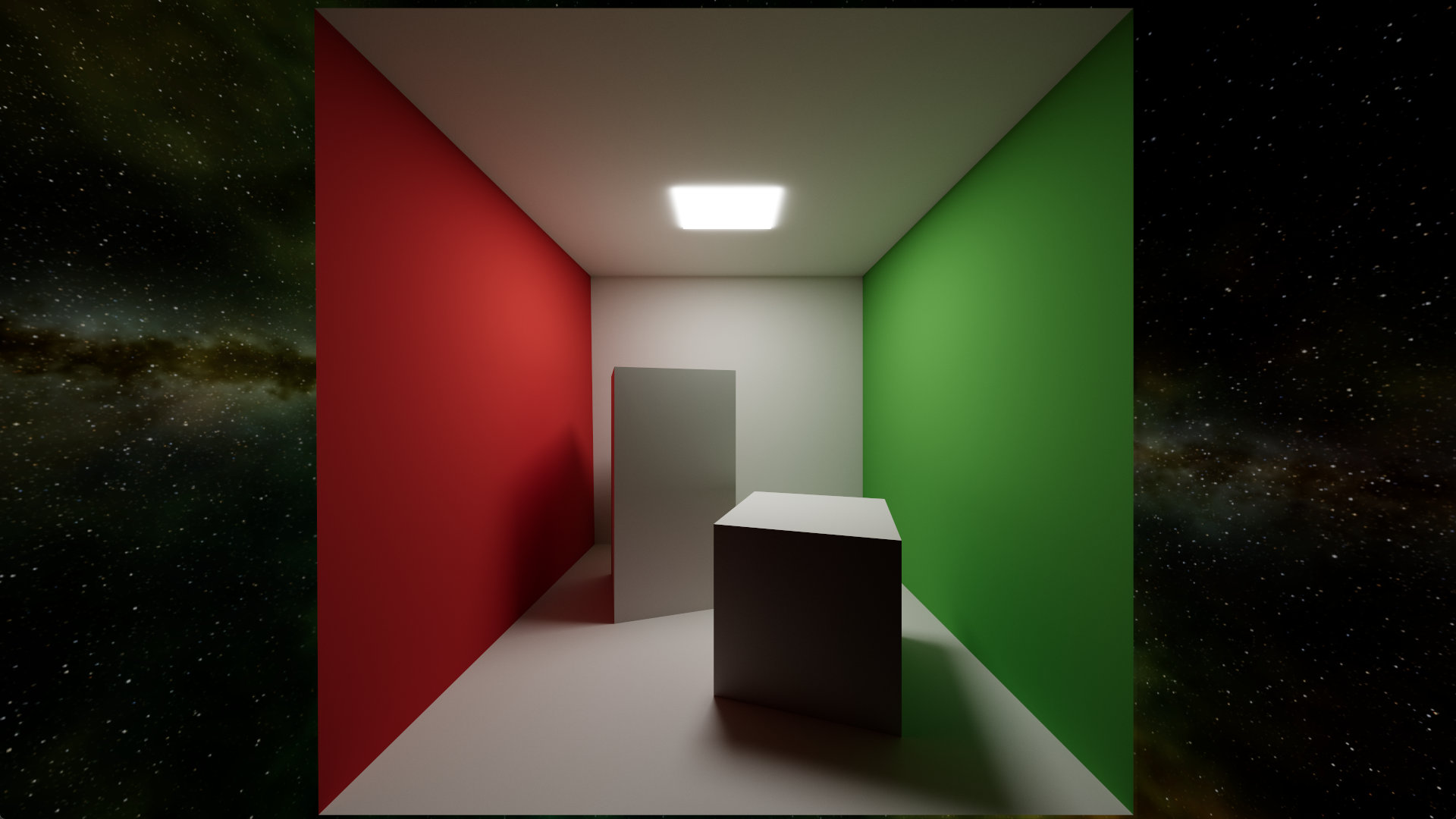
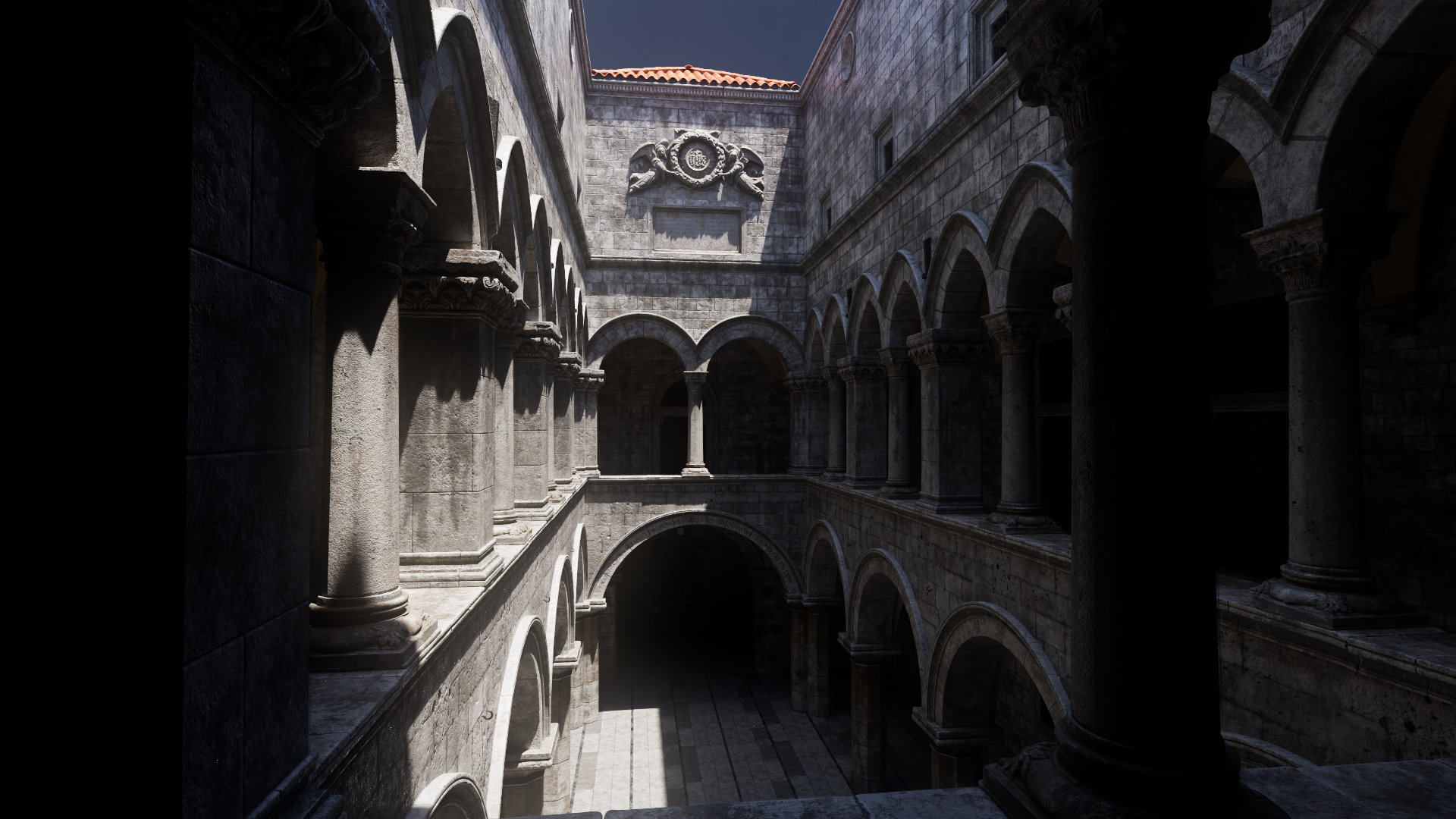

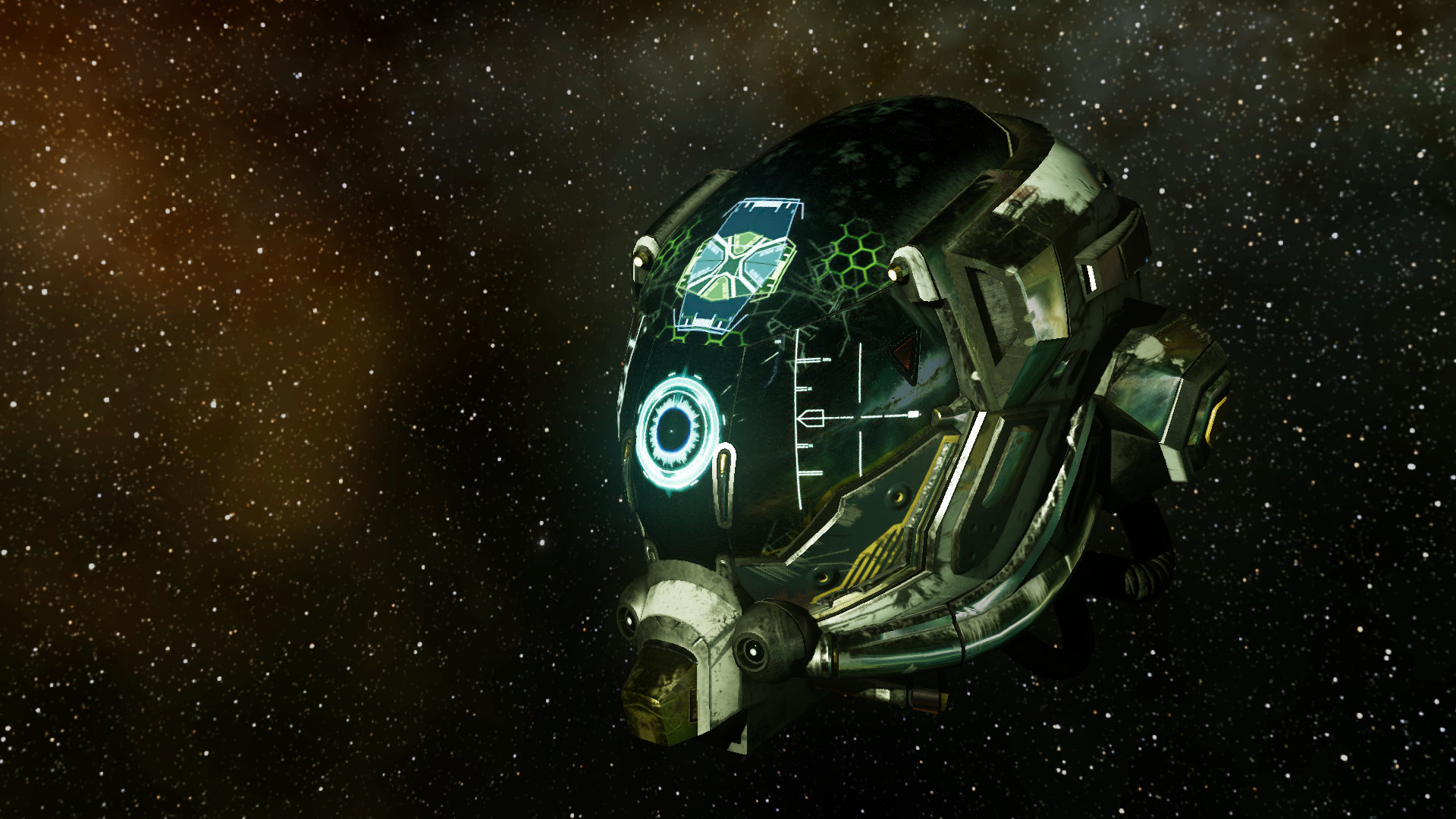
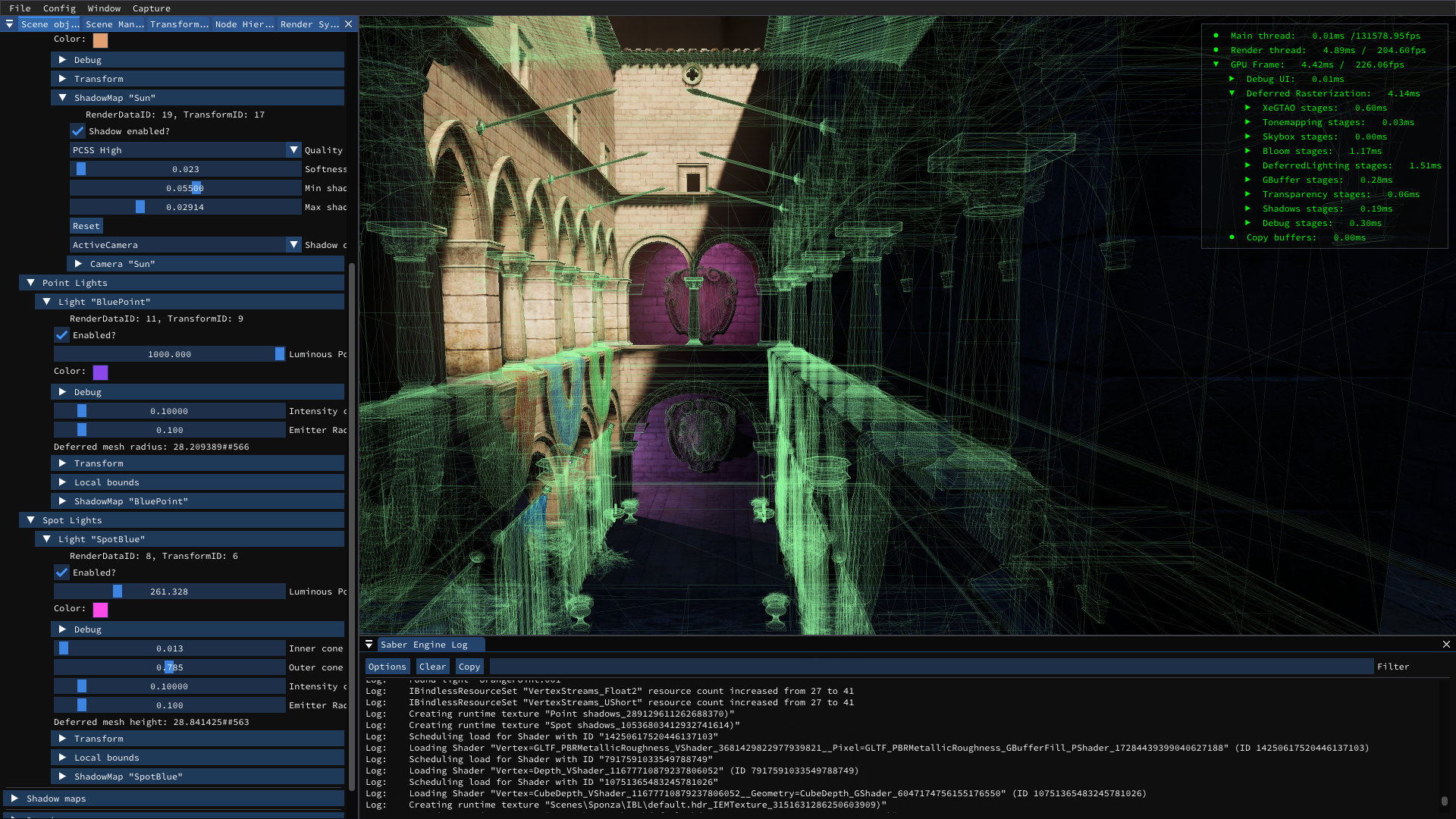
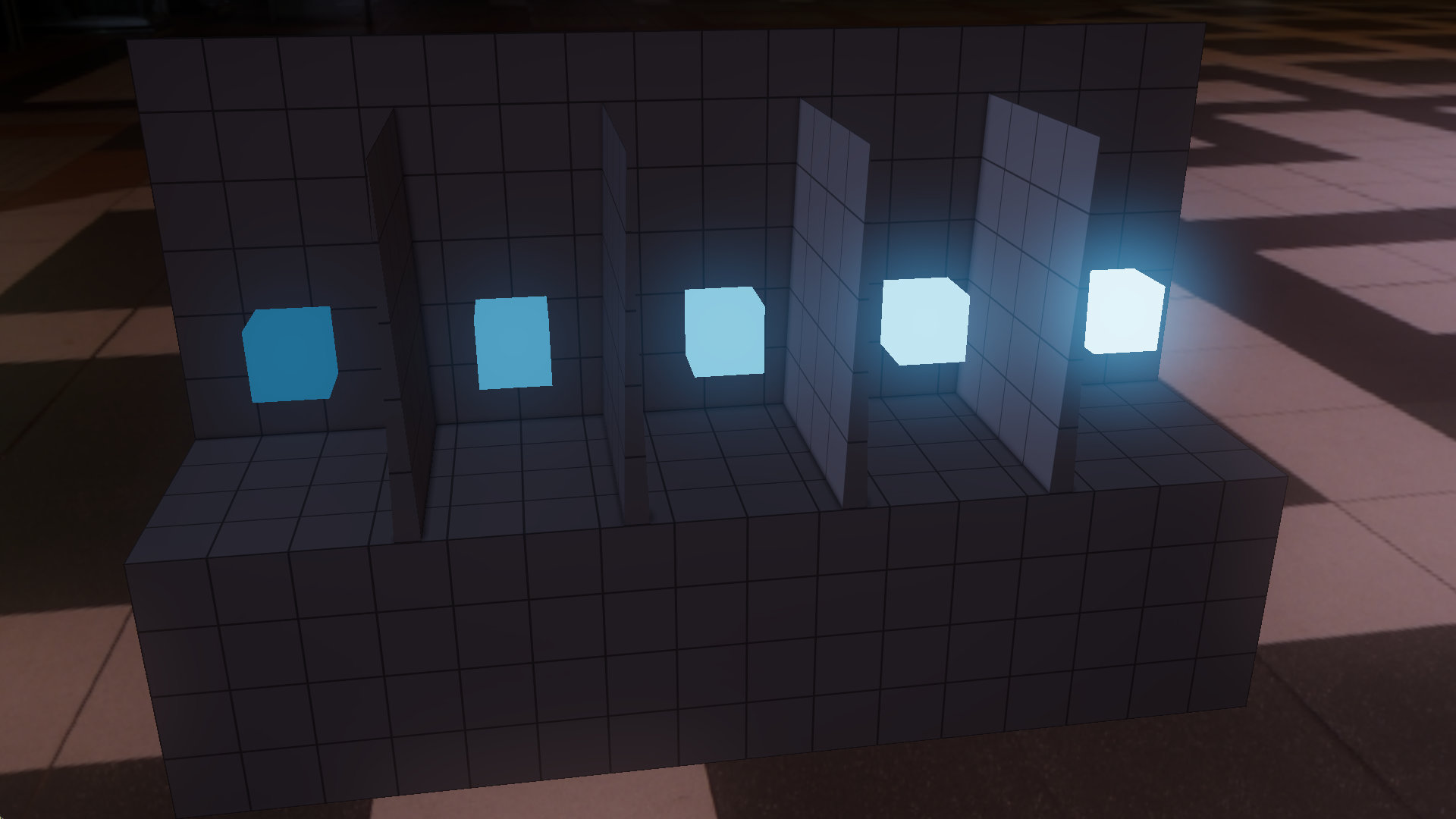
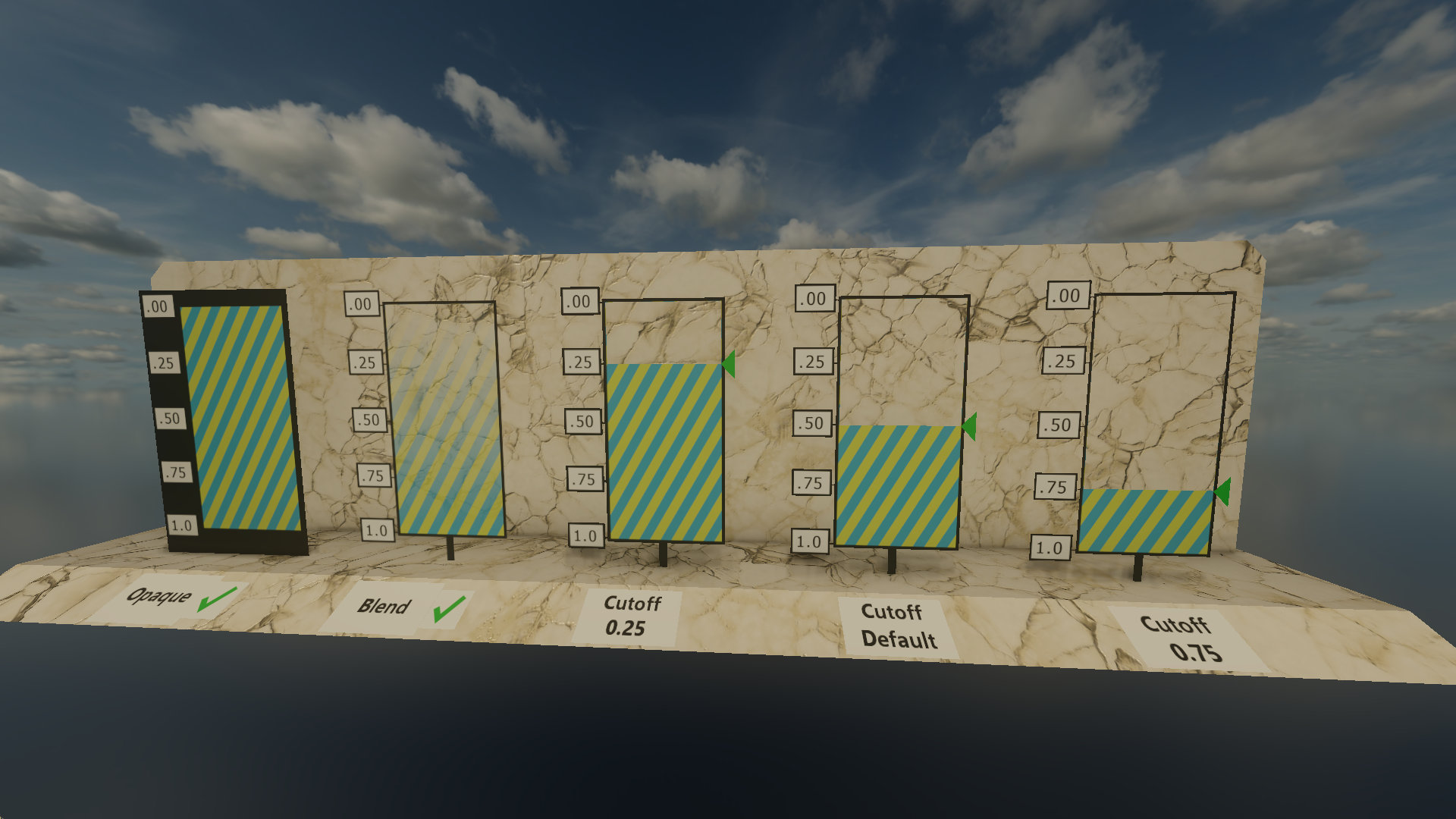
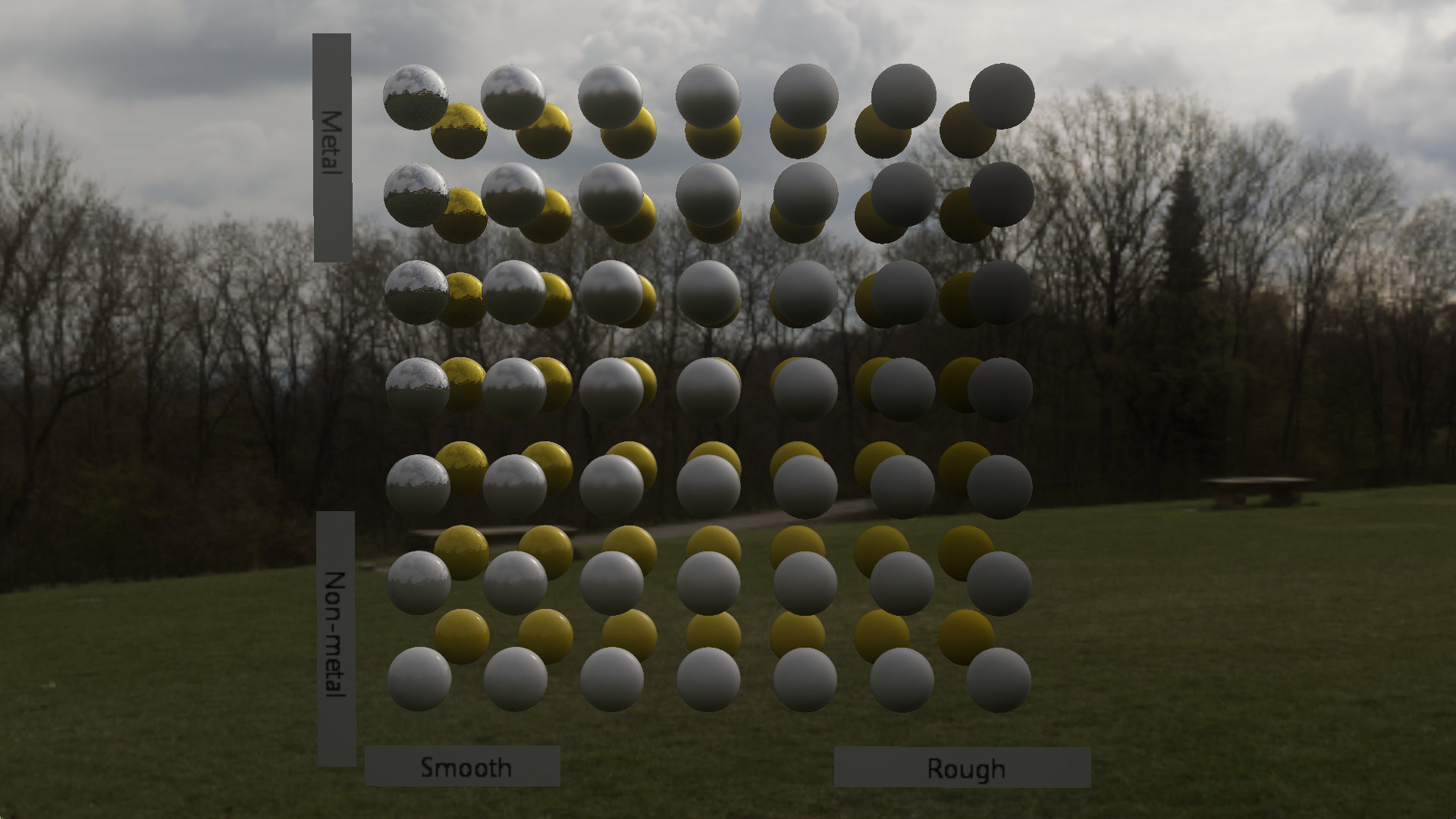
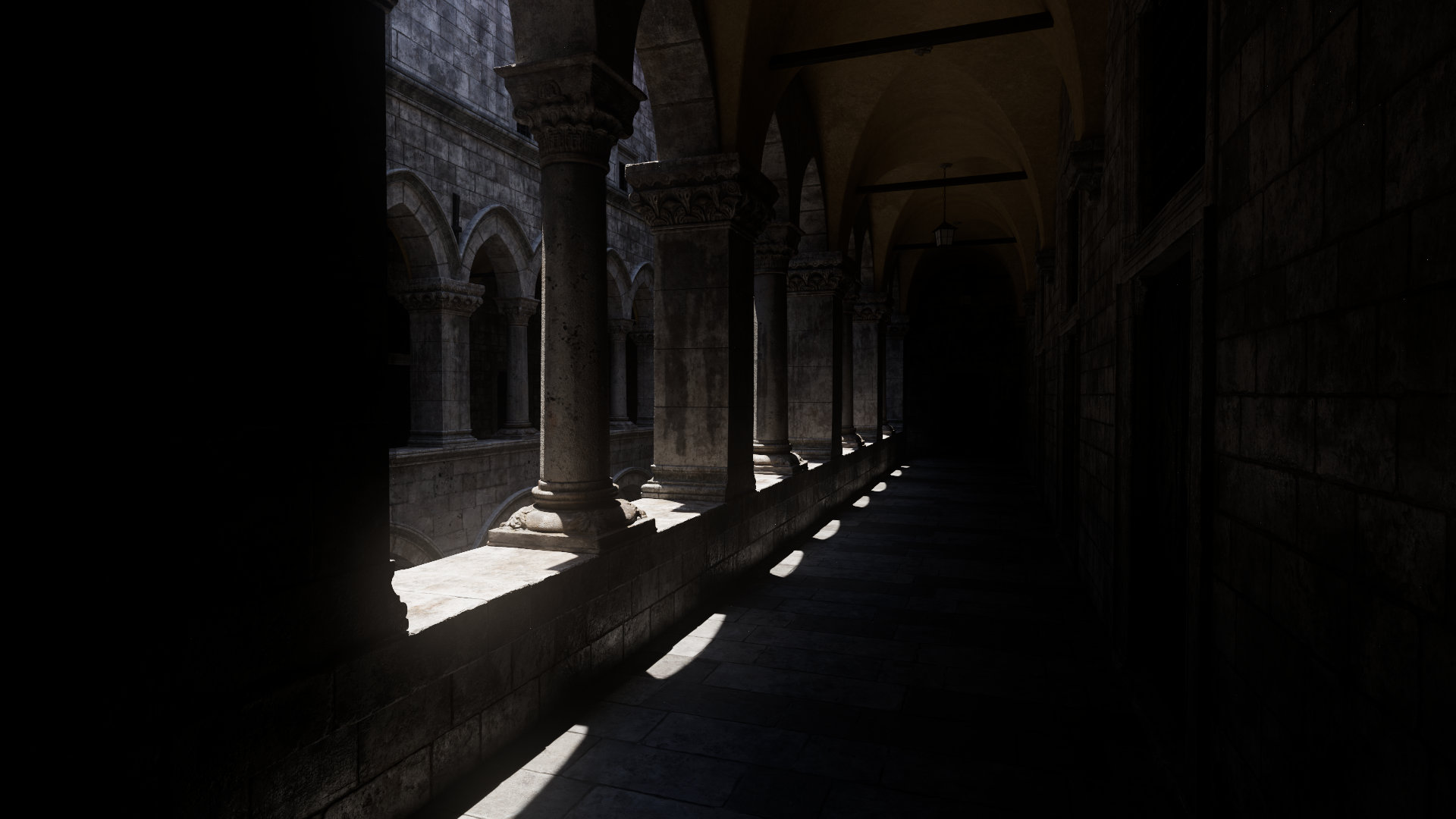
Saber Engine animation test: Multiple skinned meshes, morph targets, & keyframe transform animations. Lit with directional, point, and spot lights, image-based lighting, XeGTAO. Rendered with a deferred pipeline.
Features:
Core Architecture:
- Multi-threaded architecture implemented in C++20
- Scriptable rendering pipeline:
- Graphics systems are implemented using a high-level, API-agnostic abstraction layer & combined through input/output dependencies defined in
.json - Dynamically generates an optimized, thread-safe render graph at runtime
- Graphics systems are implemented using a high-level, API-agnostic abstraction layer & combined through input/output dependencies defined in
- Droid: A custom offline shader compiler & C++ code generation tool
- Effects/Techniques/DrawStyles are described via
.jsonfor dynamic runtime shader resolution
- Effects/Techniques/DrawStyles are described via
- GLTF 2.0 format support (cgltf):
- Supports the
KHR_lights_punctualextension with:- Directional lights
- Point lights
- Spot lights
- Supports the
KHR_materials_emissive_strengthextension, allowing configurable emissive intensity - Supports the
KHR_materials_iorextension for configurable index of refraction values - Supports
KHR_materials_unlitextension for unlit shading - Supports
EXT_mesh_gpu_instancingextension for GPU instancing
- Supports the
Rendering Functionality:
- Rendering API-agnostic: Supports:
- DirectX 12 (Agility SDK 1.611.2) (default)
- OpenGL 4.6
- Upcoming Vulkan support
- GPU-accelerated ray tracing (DXR)
- Asynchronous copy/graphics/compute pipelines
- Supports both bindless and slot-based resource binding models
- Advanced graphics features:
- Animation: Skinning, morph targets, & keyframe node/transform animations
- HDR Physically-Based Lighting Model (based on EA’s Frostbite, Lagarde et al.)
- Image-based indirect lighting
- Soft shadows: PCF & PCSS
- Inline ray traced shadows
- Radiometrically-correct screen-space ambient occlusion (Intel XeGTAO)
- Ray traced ambient occlusion (RTAO)
- Ray differentials for texture & environment map mip level calculations
- Reference path tracer for ground-truth rendering comparisons
- ACES filmic response and Reinhard tone mapping
- Physically-based camera & exposure settings
- Physically-based emissive lighting & bloom
- Camera frustum culling
- GPU instancing
- Automatically detects & combines instanceable batches into single draw calls
Resource Management:
- Asynchronous, reference-counted resource loading system:
- Supports work stealing
- Indexed buffer management system for automatic instancing and buffer indirection LUT generation
- Batch pool minimizes draw-call setup costs by reusing draw-call resources
Additional Features:
- Entity Component System (EnTT)
- Automatic system update orchestration from component read/write declarations
- Rigid Body Physics & Collision detection (Jolt)
- Interactive UI (ImGui):
- Object picking & inspection
- Supports drag-&-drop loading of
.gltf&.hdrfiles
- Dynamic host window resizing with independent render resolution & fullscreen switching
- Supports VSync/tearing
- Frame rate limiter controls
- Screenshot captures
- Comprehensive debugging tools:
- Real-time CPU/GPU frame timers
- Debug views for live inspection of per-stage render targets
- Support for RenderDoc & PIX programmatic capture APIs
- NVIDIA Aftermath integration for automatic GPU crash dump generation
Saber Engine is continuously evolving. Additional features are always in development.